
Best Network Cable for Business Use in the UK
(2026 Guide)
Choosing the best network cable for your business can significantly improve network performance, reliability and future scalability.
Whether you’re installing a new office network, upgrading existing infrastructure or planning for future growth, selecting the correct cabling is one of the most important decisions you can make.
The most common options for business networking are Cat5e, Cat6, Cat6a and fibre optic cabling. Each offers different levels of speed, bandwidth and future-proofing.
In this guide, we’ll compare the most popular business networking cables and explain which solution is best for different business environments.

Quick Answer
For most UK businesses, Cat6 cable offers the best balance of speed, reliability and value. Businesses requiring maximum future-proofing should consider Cat6a, while fibre optic cabling is best suited to data centres, campus networks and high-performance environments.
What Makes a Good Business Network Cable?
Business networks have become increasingly demanding due to:
- Cloud-based software
- Microsoft Teams
- Zoom meetings
- VoIP telephone systems
- Wireless access points
- Connected devices
The ideal business network cable should provide:
✓ Reliability
✓ Consistent performance
✓ Scalability
✓ Long service life
✓ Support for future technologies
Choosing a higher-performance cable today can help reduce upgrade costs and disruption later.
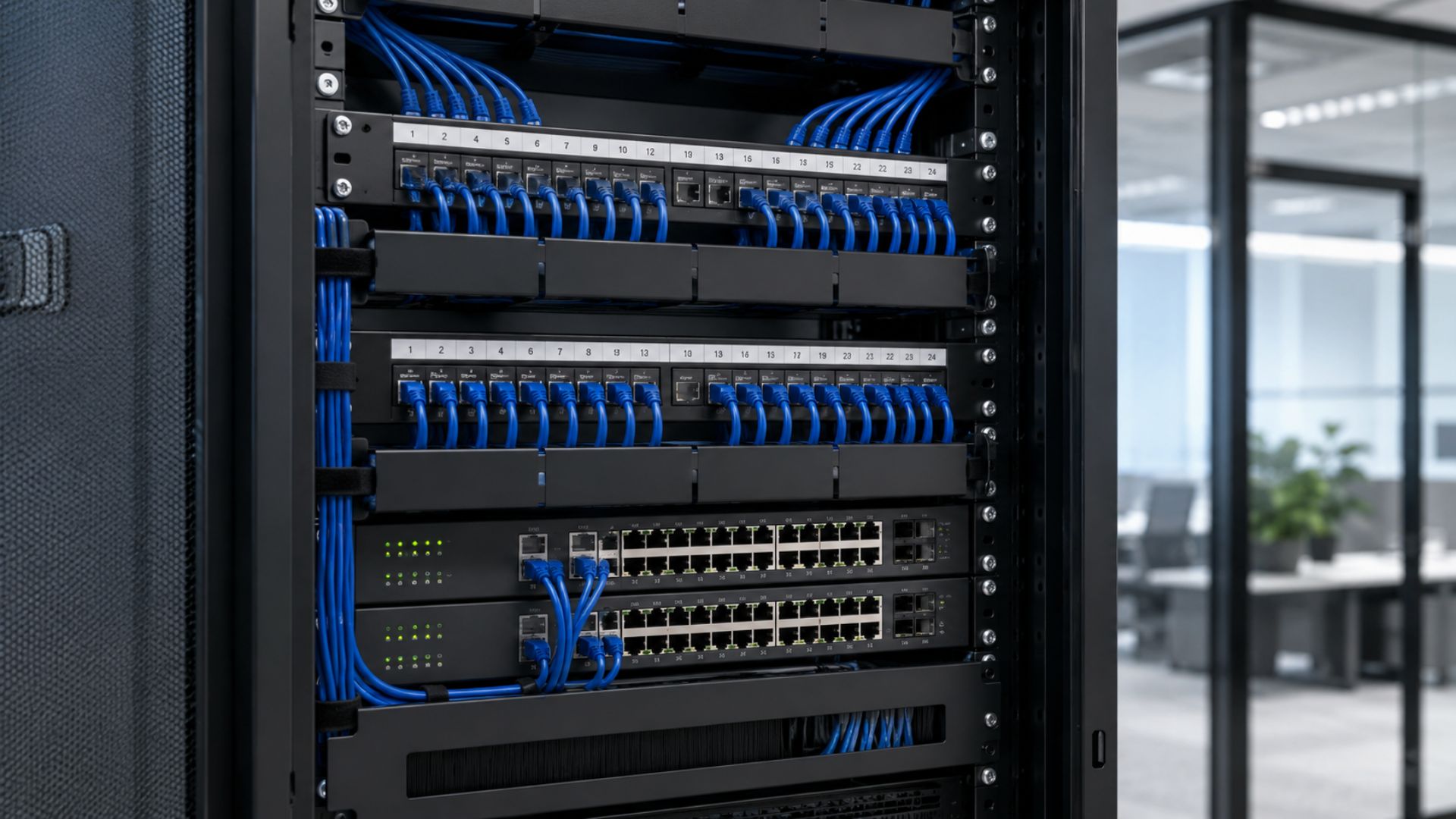
Comparing Business Network Cable Types
| Cable Type | Speed | Best For | Future-Proofing |
|---|---|---|---|
| Cat5e | 1Gbps | Small offices | Low |
| Cat6 | 10Gbps (short distance) | Most businesses | Good |
| Cat6a | 10Gbps (100m) | Larger offices | Excellent |
| Fibre Optic | Extremely high | Enterprise & Data Centres | Excellent |
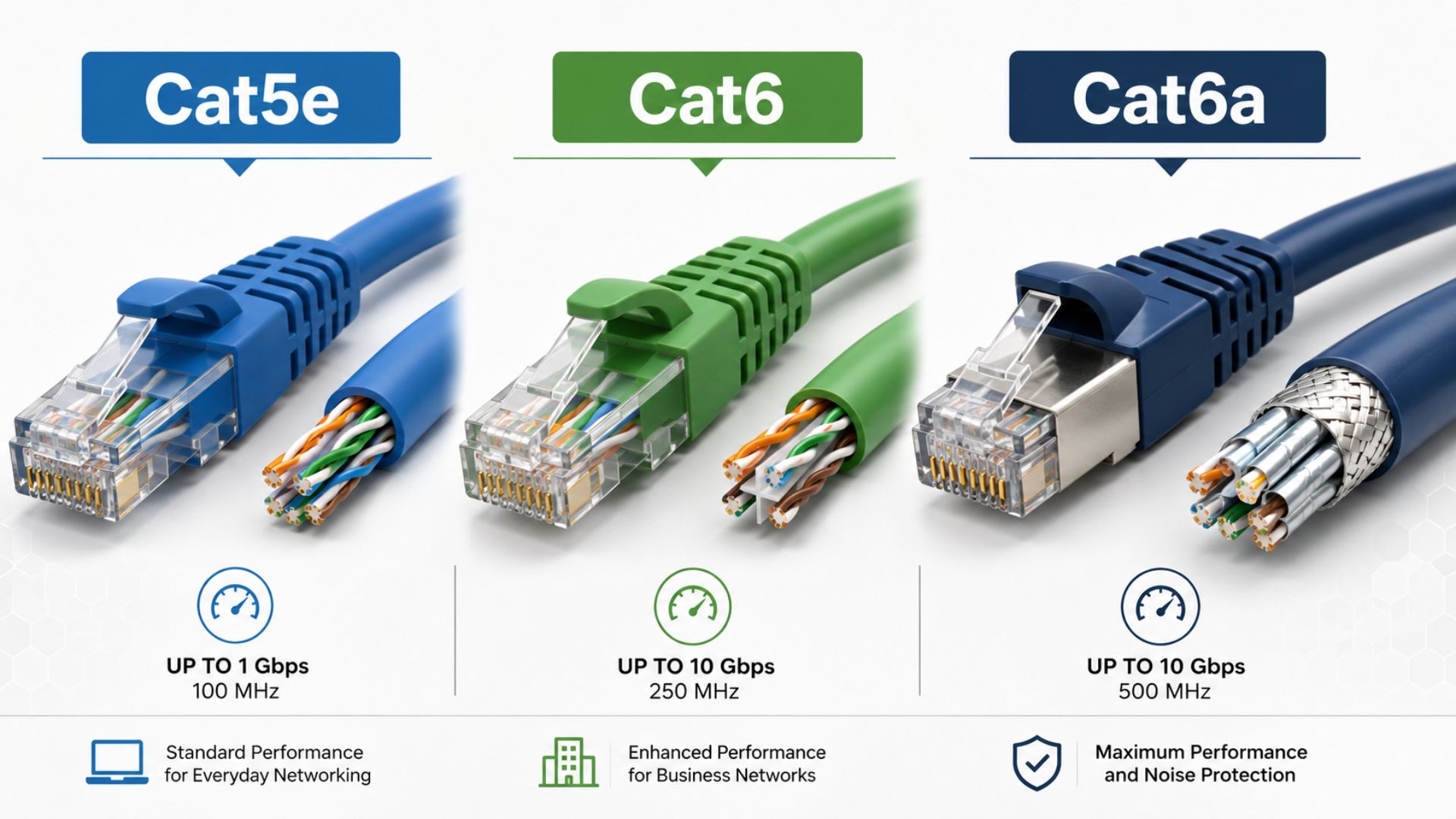
Cat5e Cable
Cat5e remains suitable for smaller office networks and basic internet connectivity. It supports Gigabit Ethernet and is commonly used in older network installations.
Best for:
- Small offices
- Basic internet usage
- Lower bandwidth requirements
- CCTV & security cameras
Cat6 Cable
Cat6 is the modern standard for most business networks. It supports higher speeds, improved performance and better protection against interference compared to Cat5e.
Best for:
- Modern offices
- Video conferencing
- VoIP systems
- General business networking
Cat6a Cable
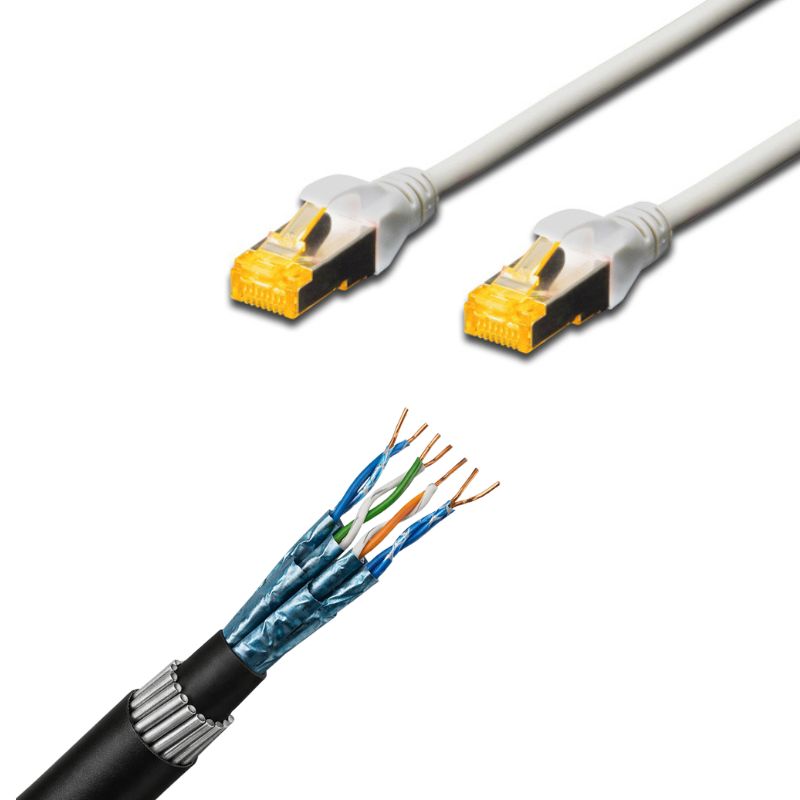
Cat6a provides enhanced shielding and supports 10Gbps speeds over longer distances. It is ideal for high-performance or future-proof network installations.
Best for:
- Large offices
- High-bandwidth environments
- Data-heavy applications
- Future-proofing
When Fibre Optic Cabling Makes Sense
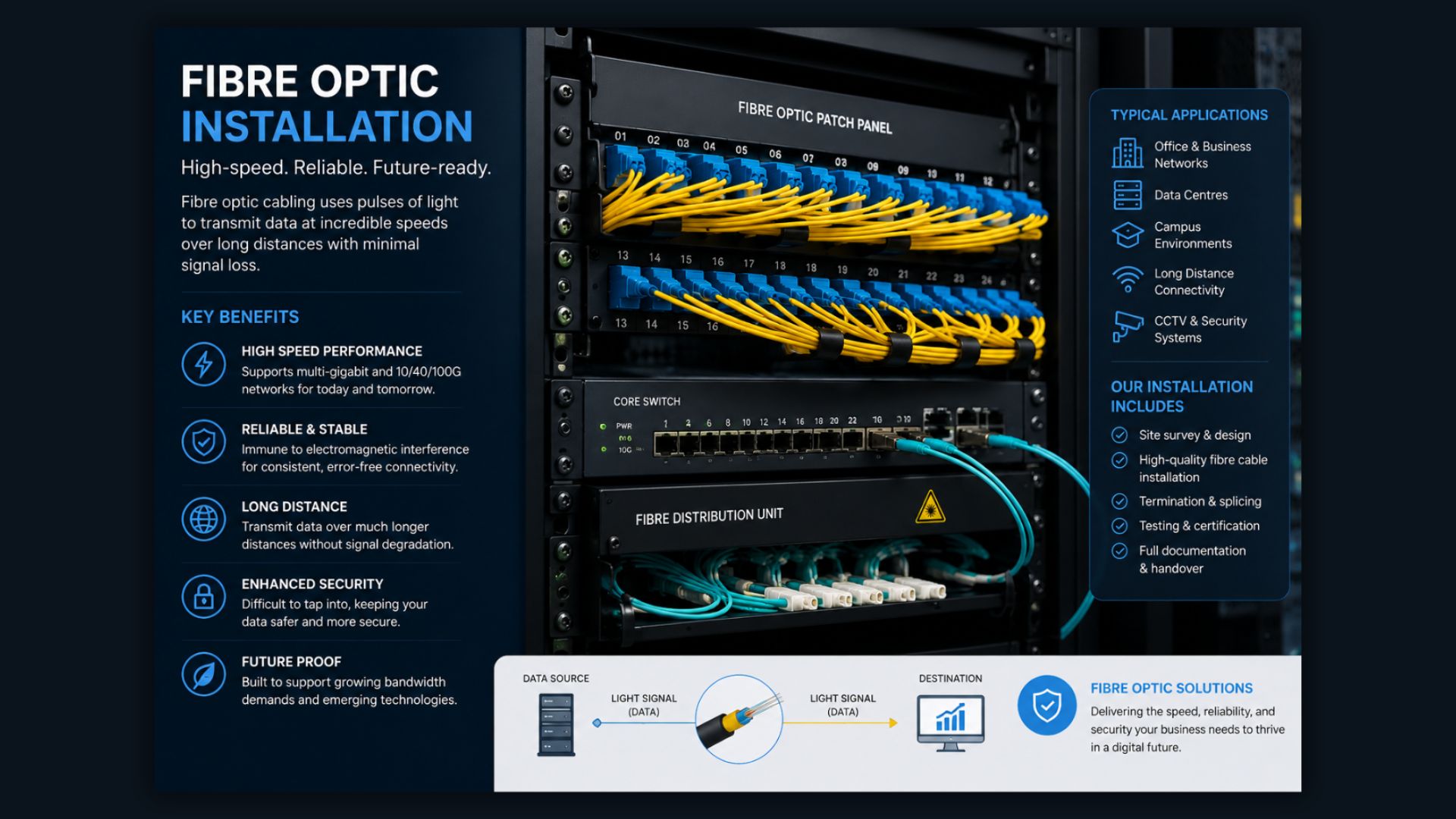
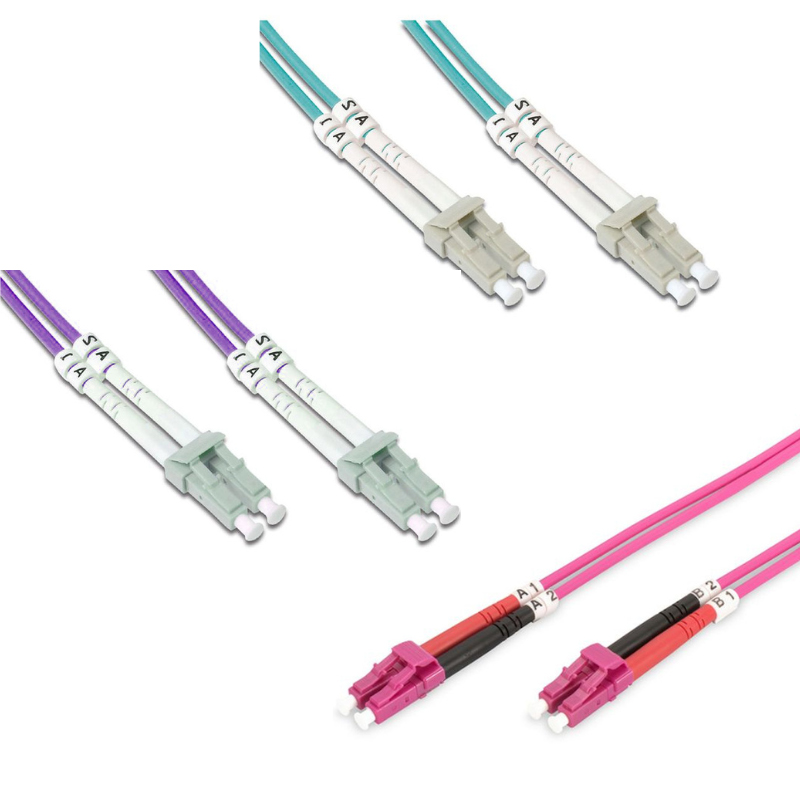
Fibre optic cabling provides significantly higher bandwidth and longer transmission distances than traditional copper cabling.
Fibre is commonly used in:
- Data centres
- Campus environments
- Backbone infrastructure
- High-performance networks
While fibre is not always necessary for office desktop connections, it often forms the backbone of larger business networks.
Fairline's Recommendation
For most businesses we recommend:
Small Office Environment
Cat6
Medium Office Environment
Cat6
Growing Organisation
Cat6a
Data Centre Environment
Fibre Optic
This approach provides the best balance between cost, performance and future scalability.
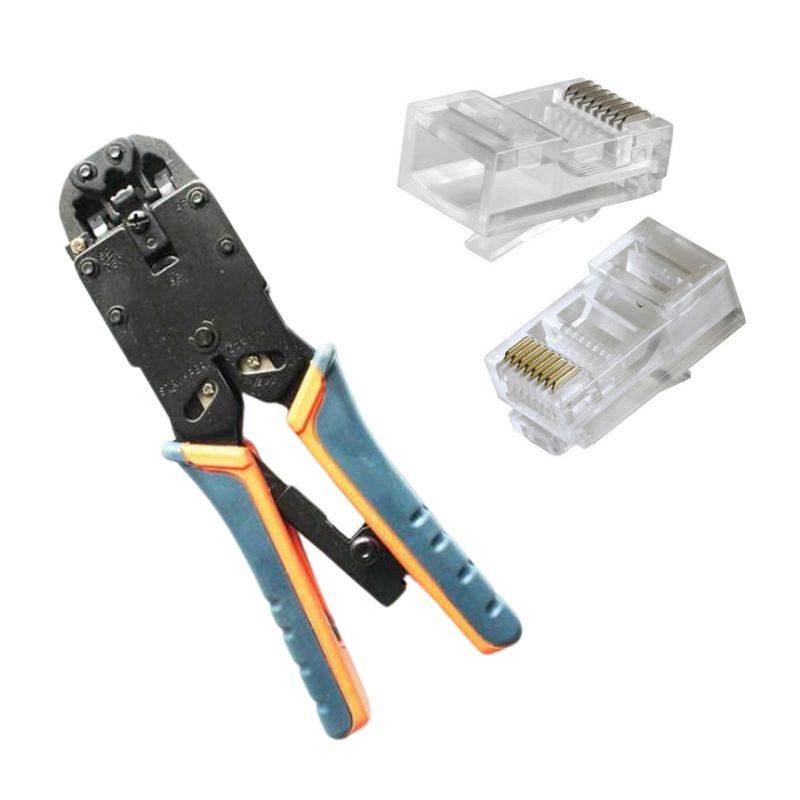
Shop Networking Cables & Accessories
Related Networking Guides
Frequently Asked Questions
What is the best network cable for business?
Cat6 is generally considered the best all-round choice for most business environments.
Is Cat6a worth the extra cost?
Cat6a is worthwhile for larger networks or businesses planning for future growth.
Is fibre optic better than Ethernet?
Fibre offers higher performance but is not always necessary for standard office networks.
Should businesses still install Cat5e?
Cat5e remains usable, but Cat6 is generally recommended for new installations. Current fire regulations should be considered, as Cat5e often comes with PVC sheathing, rather than low smoke (LSZH).

Fairline has supplied networking infrastructure products to UK businesses & installers for over 40 years.